
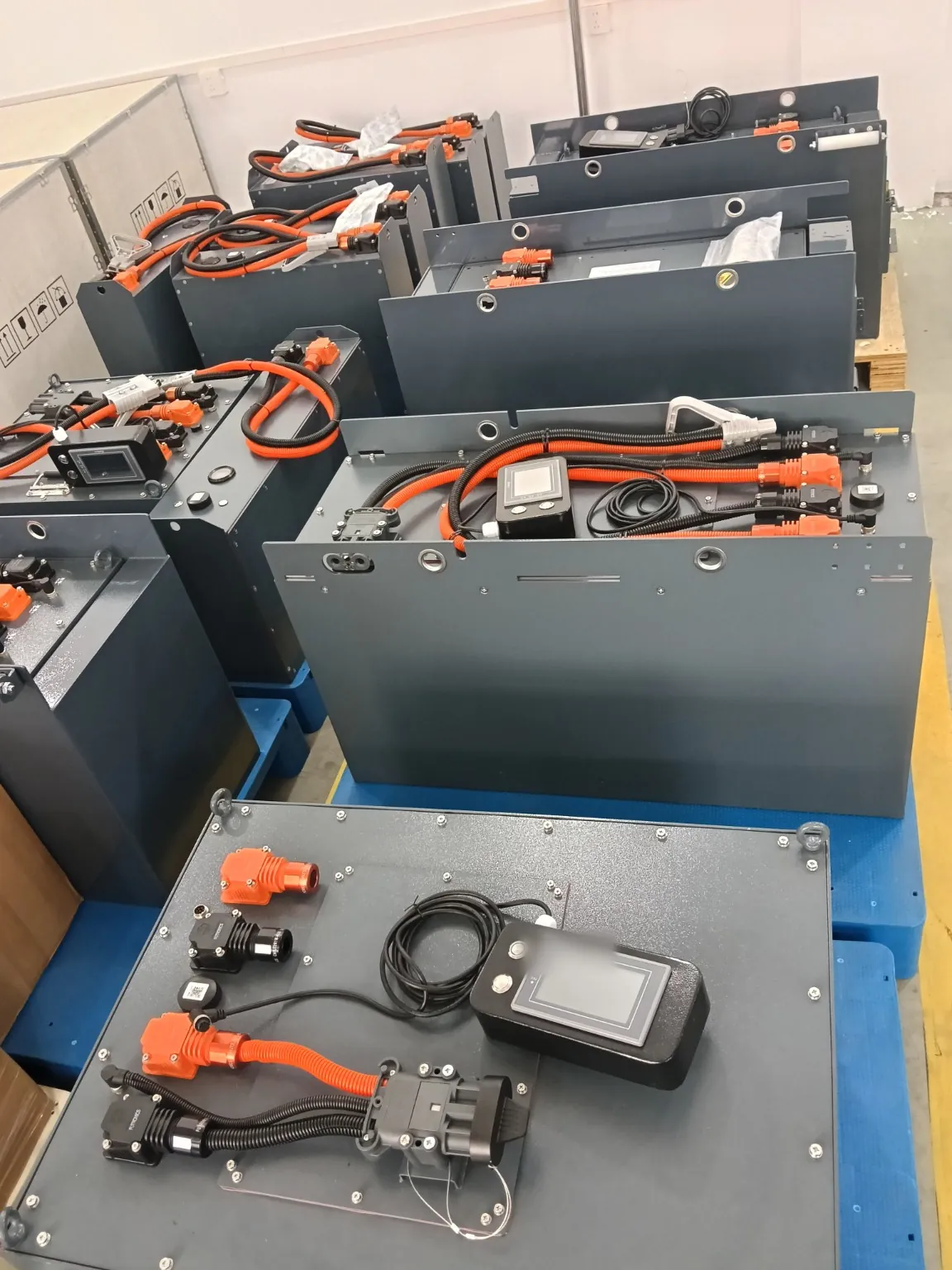
Once the goods are loaded and the balance is paid, it is almost too late to fix anything. A defect found on arrival in Canada means emails across a 12-hour time difference, evidence to gather and a supplier with no reason to hurry. A pre-shipment inspection done in China moves the discovery of the problem to a moment when you can still act.
When to inspect
There are three points at which you can inspect. Depending on the product and the amount, one is often enough.
- Before production: check that raw materials and components match your order. Useful for custom products or ones that are costly to redo.
- During production: once part of the order is made, check that the result is conforming and correct early. Useful for large runs.
- Before loading: the most common inspection. It is usually done when production is finished and most of the goods are packed, so that cartons can be picked at random.
What an inspection checks
- Quantity: the number of cartons and items matches the order.
- Specifications: dimensions, material, colour, composition and weight, compared with your specification and the sample you approved.
- Workmanship: finish, visible defects, assembly, welds, stitching, depending on the product.
- Function: simple tests on pieces taken from the lot (power-on for an electrical product, opening and closing for furniture, etc.).
- Packaging and marking: sturdy cartons, correct labels, required markings and languages, readable barcodes.
- Photos and measurements: everything is photographed, and the sampled cartons are opened and measured.
How what is examined is chosen: sampling
Not every item is looked at: a random sample is drawn, and its size depends on the quantity ordered. Inspectors often rely on recognised sampling tables (the principle is called AQL, “acceptable quality limit”). Before the inspection you set how many defects of each severity you tolerate: critical (dangerous or illegal), major (the product does not do its job or is unacceptable to a customer) and minor (cosmetic defects with no effect on use). These thresholds should be written in the contract or the inspection brief, otherwise each side interprets them differently.
A sample-based inspection gives a reliable picture of the lot’s quality, but it does not remove the risk: it does not guarantee that no defective item will get through.
Who can inspect
- You, if you are on site and know the product. Rare for a Canadian buyer.
- An independent inspection company, which sends an inspector with a standard report. This is the classic solution when you have no one on site.
- Your own team or agent on site, who knows your product and requirements and can follow the order from end to end.
In every case the inspector must be independent of the supplier. Fees vary widely with the product, the number of person-days and the location: ask for a written quote showing what is included.
What a good report contains
A useful report contains: the order references, the quantity inspected, the sampling method, the defects found with their severity, test results, dated photos and a clear conclusion (accepted, accepted with conditions, rejected). A report with no photos and no detail on defects tells you almost nothing.
If the goods fail
- Do not pay the balance until the problem is settled. That is why part of the payment is kept until after the inspection.
- Send the report to the supplier and ask for a correction plan: sorting the items, reworking, replacing.
- Re-inspect after correction, before loading.
- Keep a written record of everything: report, photos, exchanges.
What an inspection does not replace
A goods inspection does not replace a laboratory test for certification (electrical, children’s products, food contact), nor checking the supplier itself. It complements those steps: see our article on auditing a Chinese supplier.
Checklist before paying the balance
- Contract with precise specifications and accepted defect thresholds.
- Approved sample kept as a reference.
- Inspection date set, before loading.
- Inspector independent of the supplier.
- Report received with dated photos.
- Conclusion “accepted” before the balance is paid.
Going further
Also read How to spot a Chinese supplier scam: 7 warning signs and Alibaba or a sourcing agent in China. One of our case studies shows what an on-site inspection changes, and the FAQ answers other common questions.
Our team is based in Foshan, in the heart of Chinese manufacturing. We check suppliers on site, inspect goods before shipment and organise transport: that is our product sourcing service in China. If you want a specific order inspected, contact us: the first conversation is free.